Access is Cheap. Execution is the Moat.
Drake needs more than a following. NYC implements age restrictions on AI. Main Street America gets a business department.
The short version
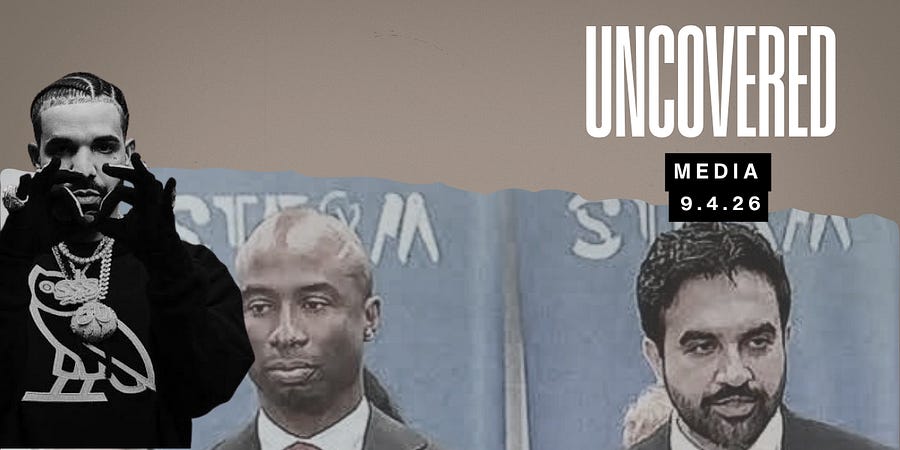
This Uncovered Originals piece covers three stories: Drake selling a majority stake in OVO's IP to Authentic Brands Group at a $118 million valuation, NYC banning generative AI for students through eighth grade, and Owner raising $240 million led by Goldman Sachs to bundle software services for restaurants. The common thread is that having access to attention, technology, or tools is no longer the advantage; knowing how to execute with them is. The piece argues the real 2026 moat is execution, not access.
- Drake sold a majority stake in OVO's intellectual property to Authentic Brands Group in a deal valuing the brand's IP at $118 million, with Authentic owning 51%, Drake keeping 44%, and Vince holding 5%.
- Vince also took over OVO's operating business, including stores, e-commerce, wholesale and employees, separating cultural relevance from day-to-day execution.
- NYC banned generative AI for students through eighth grade, affecting nearly 600,000 students in the country's largest public school system.
- The piece argues banning AI does not stop kids from using it, it just pushes usage to personal devices without adult guidance.
- Owner raised $240 million in a round led by Goldman Sachs at a $2.3 billion valuation, offering restaurants one system covering websites, SEO, online ordering, CRM, marketing, loyalty, apps, support and AI phone ordering.
- The Owner bet is that AI can bundle roles small businesses could never afford, like a CMO, CTO, growth team, agency or support desk, turning software into the department itself.
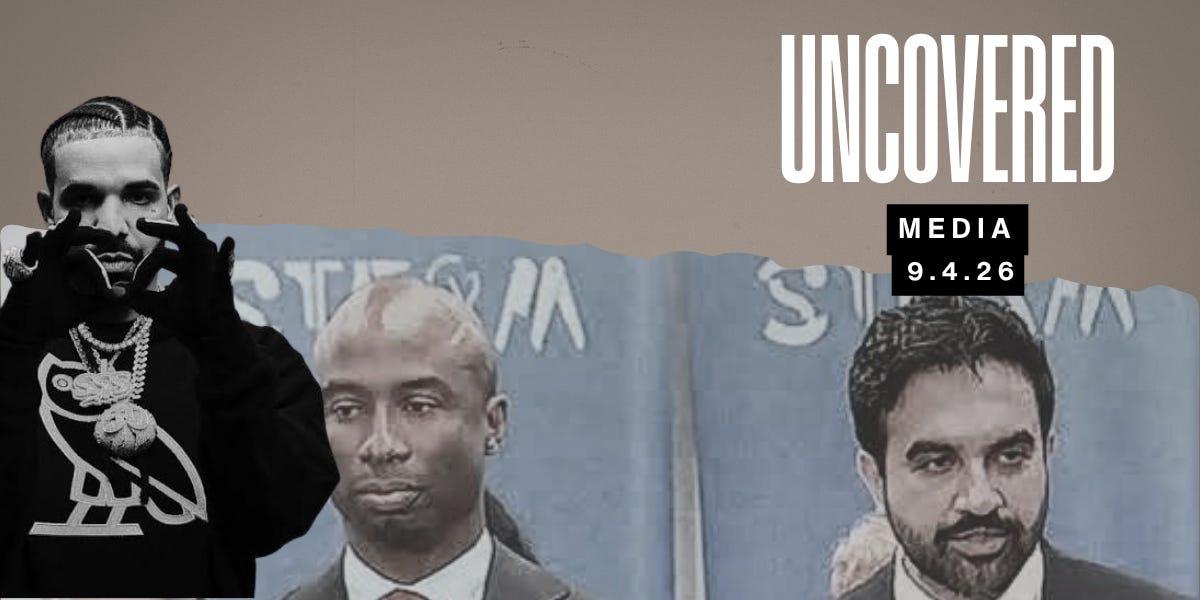
Drake has the audience. NYC wants to restrict student AI access. Restaurants have more software than they know what to do with. But access alone does not build the business, teach the kid, or save the owner drowning in 11 p.m. admin work.
That is the shift running through this week’s issue. The 2026 advantage is not getting your hands on the powerful thing. It is knowing what to do with it once you have it.
OVO does not need more cultural heat. It needs operators.
Students don’t need to be blocked from AI. They need to be taught how to use it without outsourcing their brains.
Restaurants do not need another tool. They need the work done.
The moat has moved from access to execution.
For all the top stories, follow @glovejones on Instagram.
THE STORY PEOPLE LOVED
Drake/OVO/Authentic Brands Group
What Happened:
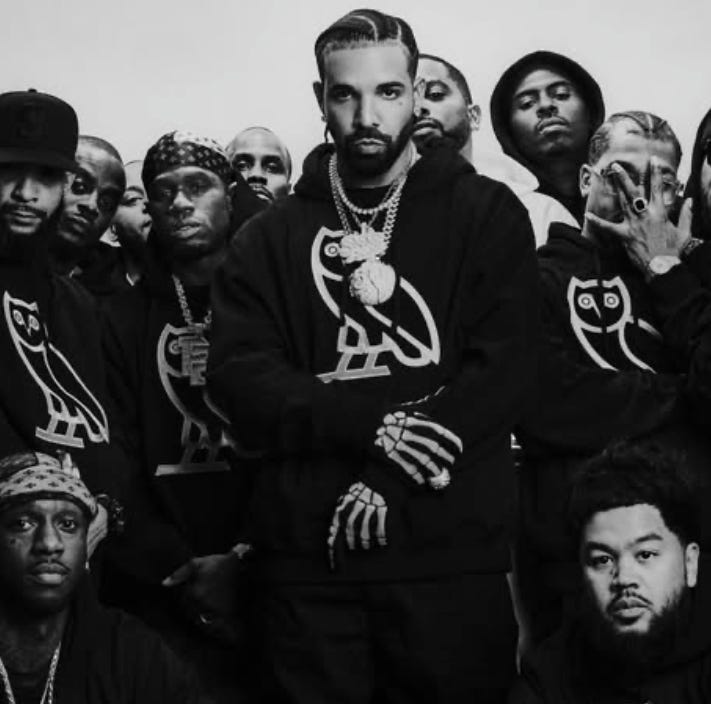
Drake sold a majority stake in OVO’s intellectual property to Authentic Brands Group in a deal that values the brand’s IP at $118 million. Authentic now owns 51% of OVO’s IP. Drake keeps 44%, and Vince holds 5%. Vince also picked up the operating business: stores, e-commerce, wholesale, employees and the day-to-day work of actually running the thing.
What People Missed:
OVO was never just a clothing line. It was a world Drake built around music, Toronto, scarcity, taste and identity. But making something culturally relevant and running a great apparel business are not the same job. One is about heat. The other is about inventory, retail, licensing, partnerships and execution. That is where Authentic Brands Group comes in. Their whole business is taking cultural relevance and building the commercial machine around it.
The Uncovered Read:
Attention gets you leverage. Operators turn it into a business. Drake does not need to become a better apparel executive, and honestly, why would he? He needs the right machine around OVO so the brand can scale without losing the thing that made people care in the first place. The smartest part of this deal is not that he sold. It is that he stayed in the upside.
THE STORY PEOPLE DISCUSSED
NYC/AI Ban
What Happened:
New York City banned generative AI for students through eighth grade, affecting nearly 600,000 students in the country’s largest public school system. I understand the instinct. Kids should learn how to think before they are handed a tool that can spit out answers for them.
What People Missed:
The problem is that banning AI does not mean kids stop using it. It usually means they use it somewhere else, on a personal device, with no guidance from the adults who are supposed to be helping them learn. That is what makes this so tricky. I do not want kids using AI as an answer machine. I want them learning how to use it as a thinking machine. Write the essay yourself, then ask AI to challenge the argument. Solve the problem yourself, then ask for another approach. Build the idea yourself, then use AI to push it somewhere better.
The Uncovered Read:
The next education debate is not whether kids will use AI. They will. The real question is whether schools teach them to outsource their thinking or expand it. Banning AI may make adults feel like they solved the problem, but it mostly pushes the problem out of sight. The kids who learn how to use it well will have an advantage. The kids who only learn how to hide it probably will too, but for all the wrong reasons.
THE STORY WORTH A SECOND LOOK
Owner/AI for Main Street
What Happened:
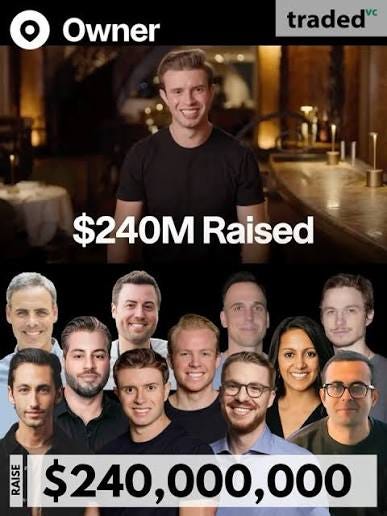
Owner raised $240 million in a round led by Goldman Sachs at a $2.3 billion valuation. The company gives restaurants one system for websites, SEO, online ordering, CRM, email marketing, loyalty, mobile apps, customer support and AI phone ordering.
What People Missed:
This is much bigger than restaurant websites. Small business owners already have plenty of software. That is part of the problem. A restaurant owner closing down at 11 p.m. does not want another dashboard to check. They need the work done. They need the website updated, the customer followed up with, the online order captured, the phone answered, the regular brought back. Owner is betting AI can bundle the jobs a small business could never afford to hire for: CMO, CTO, growth team, agency, support desk.
The Uncovered Read:
For years, enterprise software did not make sense for a pizza shop because the economics were upside down. The customer was too small. The work was too messy. The budget was too limited. AI changes the math. If software can stop being a tool someone has to manage and start becoming the department itself, Main Street becomes a much bigger market. Goldman is not betting on restaurant websites. It is betting that Owner can become the AI business department for small businesses.
Every industry, every business model, there is a larger opportunity hiding inside of it. We’re here to help you find them. Follow Uncovered for more tech and AI news.

Questions this answers
What did Drake do with OVO?
Drake sold a majority stake in OVO's intellectual property to Authentic Brands Group in a deal that values the brand's IP at $118 million. Authentic now owns 51% of the IP, Drake keeps 44%, and Vince holds 5% plus the operating business of stores, e-commerce, wholesale and employees.
Did New York City ban AI for students?
Yes, NYC banned generative AI for students through eighth grade, affecting nearly 600,000 students in the country's largest public school system.
What does Owner's software do for restaurants?
Owner gives restaurants one system for websites, SEO, online ordering, CRM, email marketing, loyalty, mobile apps, customer support and AI phone ordering, aiming to act as a bundled AI business department for small businesses that could not otherwise afford those roles.
How much did Owner raise and at what valuation?
Owner raised $240 million in a round led by Goldman Sachs at a $2.3 billion valuation.
What is the main argument connecting these stories?
The piece argues that in 2026 the advantage is not access to attention, AI, or software tools, but the ability to execute with them, whether that means running the OVO business, teaching students to use AI as a thinking tool, or getting actual work done for restaurant owners.
Originally published on The Week · By Brandy Whalen