Gemma Craven
Scribd
On shifting a brand from utility to meaning.
The short version
This piece covers Scribd CMO Gemma Craven and the company's first major brand campaign, 'Connect the Docs.' For years Scribd relied on search traffic rather than brand loyalty, but as AI answer engines and search summaries change how people find information, Scribd is repositioning itself from a passive document library into a knowledge workspace people choose on purpose. The main takeaway is that growth leaders now must win over both human audiences and AI agents that decide what gets recommended before a person ever clicks.
- Scribd historically relied on search to bring in users who already had a specific need, without needing brand loyalty.
- Scribd CMO Gemma Craven says quick AI-generated answers have driven more people to seek source material, verification and depth rather than making Scribd obsolete.
- Gemma Craven says Scribd is moving from a passive library to a knowledge workspace where people find, learn and finish the thing.
- Brands now face both human audiences and machine audiences, since an AI agent may decide if a brand matters before a person ever sees it.
- Reputation signals like Reddit threads, app store reviews, customer service, YouTube, press and Wikipedia now shape what the internet understands a brand to be.
- Scribd's first major brand campaign, 'Connect the Docs,' is built around the value of figuring something out yourself rather than just getting an instant answer.
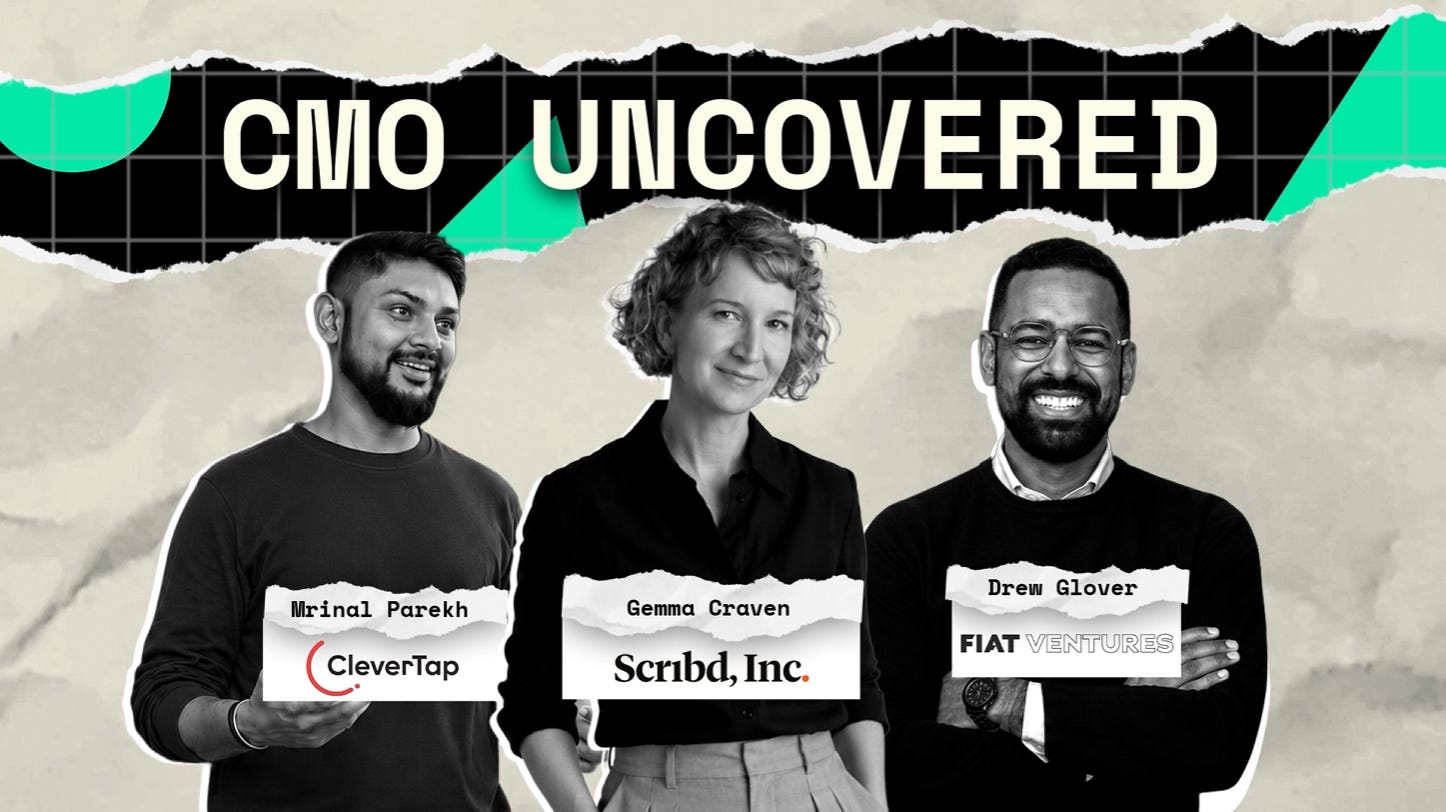

The market around Scribd, Inc. is not as tidy as “documents.” It sits inside a much larger fight over how people learn, research and decide what to trust online. The global e-learning services market is projected to grow from $426 billion in 2026 to more than $1.7 trillion by 2034. Digital publishing is expected to reach nearly $280 billion over the same period. Add AI answer engines, search, study tools and workplace research platforms, and the real category becomes harder to name but easier to understand.
For years, Scribd had the kind of user intent most brands spend fortunes trying to manufacture. People arrived with a need already in hand. They were looking for a manual, a source, a study aid or a document they could not easily find somewhere else. They searched, landed on Scribd, found what they needed and moved on.
The company occupied a valuable position in the search-led web, where a user might end up after asking a specific question, when an answer still required a source and the source still required reading.
Nearly twenty years later, that world has changed. Search is no longer a simple doorway between curiosity and destination. A person may ask a question and never leave the results page. A summary may appear before the source. An AI agent may decide which information is worth recommending before the user ever sees the options.
That brings us to Scribd CMO, Gemma Craven, and their first major brand campaign, “Connect the Docs.” The campaign is aimed at students and educators, but the question underneath is larger than education. What happens when getting an answer becomes easier than understanding one?
That is what makes Scribd’s moment interesting. The company is trying to move from a utility people find by accident to a brand people choose on purpose, while attaching feeling to a behavior that has become almost unfashionable in the age of instant answers.
This is the question growth leaders now have to answer. When discovery is shaped by search summaries, AI agents, reviews, Reddit threads and every public trace a company leaves behind, how much of the brand still belongs to the brand?
Conversation Nibbles
An appetizer before the entrée
Search did the selling: For years, Scribd didn’t need brand love. People Googled what they needed, landed on Scribd and moved on.
The AI plot twist: Instead of making Scribd obsolete, quick answers sent more people looking for source material, verification and depth.
From library to workspace: Gemma says Scribd is moving from a passive library to a knowledge workspace where people find, learn and finish the thing.
Your next customer may be a machine: Brands now have human audiences and machine audiences. An AI agent may decide if you matter before a person ever clicks.
Reputation is the new homepage: Reddit threads, app store reviews, customer service, YouTube, press and Wikipedia all shape what the internet thinks you are.
Thinking is worth saving: Scribd’s first major brand campaign is built around the joy of figuring something out yourself. A little radical in the age of instant answers.
Listen to the full podcast here.
This season of CMO Uncovered is supported by CleverTap. CleverTap is the world’s leading engagement platform, helping brands build meaningful relationships through data-driven personalization. Powering over 2,000 customers globally, CleverTap’s AI-powered engine processes billions of data points daily to help marketers predict behavior and automate engagement at scale. From onboarding to advocacy, CleverTap provides the infrastructure needed to optimize every stage of the customer journey. For the CMOs building the next generation of iconic brands, CleverTap offers the precision and scale required to win in a crowded market. To learn more, visit clevertap.com.
More from Uncovered Media





Questions this answers
Who is Gemma Craven and what does she do at Scribd?
Gemma Craven is the CMO of Scribd, and she led the company's first major brand campaign, 'Connect the Docs.'
What is Scribd's 'Connect the Docs' campaign about?
It is Scribd's first major brand campaign, aimed at students and educators, built around the joy of figuring something out yourself rather than just receiving an instant answer.
How has AI changed Scribd's business according to Gemma Craven?
Instead of making Scribd obsolete, quick AI-generated answers have sent more people looking for source material, verification and depth, according to Gemma Craven.
How is Scribd repositioning itself as a brand?
Gemma Craven says Scribd is moving from being a passive library that people find by accident through search to a knowledge workspace that people choose on purpose, where they find, learn and finish the thing.
Why does reputation matter more for brands now?
Because discovery is shaped by search summaries, AI agents, reviews, Reddit threads, customer service, YouTube, press and Wikipedia, all of which shape what the internet thinks a brand is before a person or an AI agent decides it matters.
Originally published on CMO Uncovered · By Mrinal Parekh, Brandy Whalen