Doug Tallmadge
Gradial
The not-so-big leap from aerospace to marketing ops.
The short version
Doug Tallmadge spent five years helping build Starlink at SpaceX before co-founding Gradial, a company that builds AI agents for marketing teams. He argues that rocket launches and marketing launches both require coordinating an ambitious idea through deadlines, dependencies and many people getting small pieces right. Gradial chose to focus on marketing because those customers showed urgency to adopt now, while a large aerospace company saw the value but found adoption too risky.
- Doug Tallmadge worked five years at SpaceX helping grow Starlink's beta program from its first 50 users to its first half-million, handling regulatory approvals, hardware inventory and customer communication beyond engineering.
- Doug and his co-founders incorporated Gradial within days of ChatGPT's November 2022 launch, quit their jobs, and began testing AI agents across different parts of the enterprise.
- Gradial chose to focus on marketing not because it was the original plan but because marketing teams showed the greatest urgency, wanting to know if Gradial could integrate over a weekend.
- A large aerospace company told Doug that Gradial's technology could save tens of thousands of hours a year, but still found adoption too risky, unlike marketing teams.
- With only five people, Gradial had paying customers and opportunities in several directions but had to choose marketing because a small team could not build in every direction.
- Doug believes a founder's job changes every three to six months and that founders should change their minds quickly when new information arrives, without letting ego slow them down.
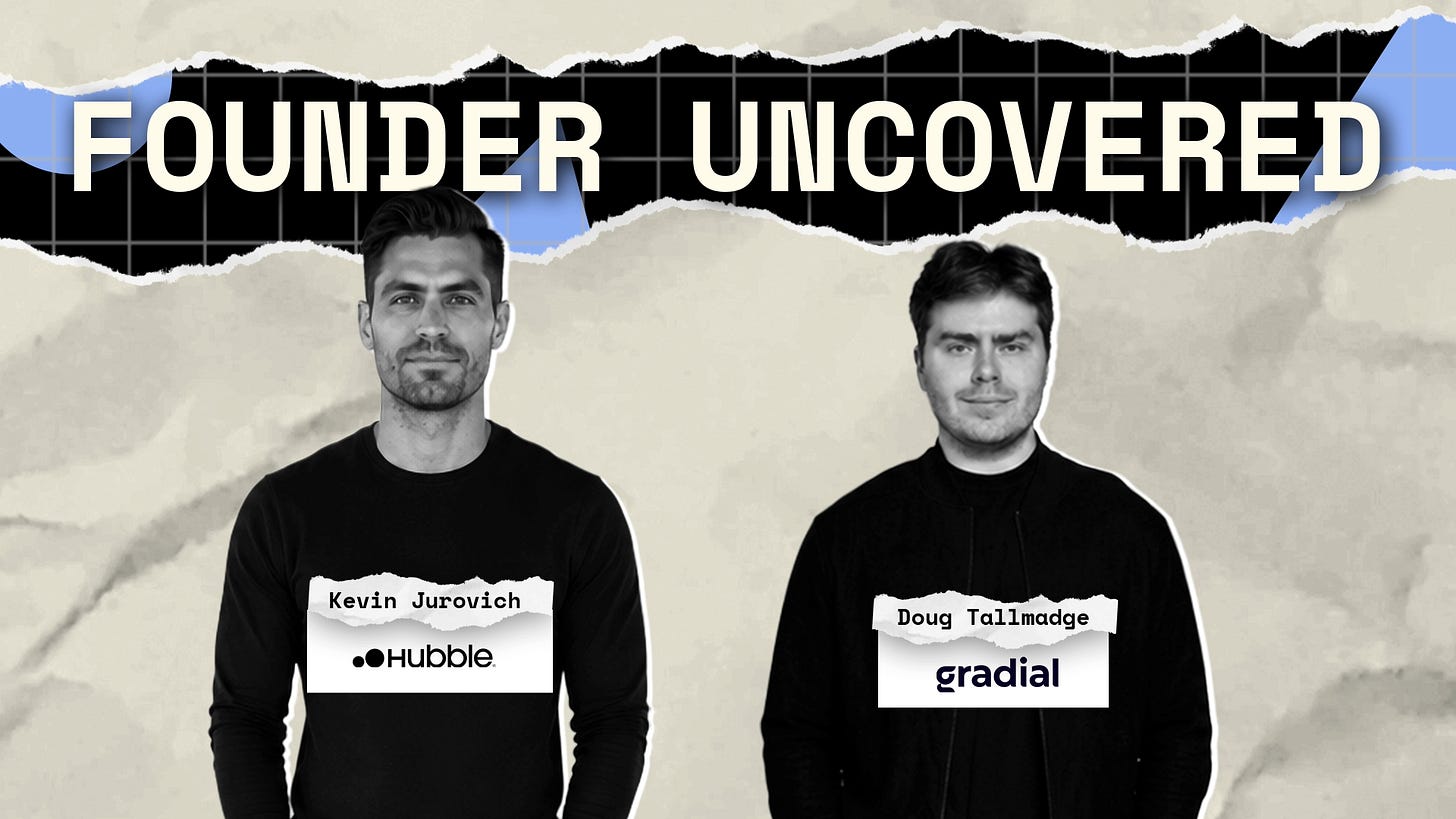

Doug Tallmadge spent five years helping build Starlink at SpaceX. Now he builds AI agents for marketing teams. To him, the leap from aerospace engineering to marketing wasn’t much of a leap at all.
A rocket launch and a marketing launch both begin with an ambitious idea that has to survive an enormous amount of coordination. There are deadlines, dependencies and dozens of people responsible for getting one small piece exactly right. And somewhere in the middle of both is a spreadsheet trying to hold the whole thing together.
Doug saw that overlap while helping grow Starlink’s beta program from its first 50 users to its first half-million. His job extended well beyond engineering as the team worked through regulatory approvals, hardware inventory and customer communication. In Starlink’s earliest days, Doug personally emailed some of its first users.
So when ChatGPT arrived in November 2022, Doug wasn’t only interested in what AI could build. He was interested in whether it could help large teams get complicated work out the door faster. He and his co-founders incorporated a company within days, quit their jobs and began testing AI agents across different parts of the enterprise.
Marketing wasn’t the original plan. It was where they found the greatest urgency.
One large aerospace company told Doug that Gradial’s technology could save tens of thousands of hours a year, but adopting it still felt too risky. Marketing teams had the opposite response. They wanted to know whether Gradial could integrate over the weekend.
That was the signal. Gradial was only five people, with paying customers and promising opportunities in several directions. The team chose marketing because those customers weren’t discussing what AI might eventually do. They already had work piling up and wanted help doing it.
Doug may have traded rocket launches for marketing launches, but the problem that interests him hasn’t changed much. He’s still trying to move something complicated from an idea into execution.
Conversation Nibbles
An appetizer before the entrée
Rocket launches and marketing launches have a lot in common: Both rely on a clear vision, coordinated teams, detailed checklists and exact execution.
Urgency tells you more than interest: An aerospace company saw Gradial’s value but resisted the risk. Marketing teams wanted it running immediately.
A promising opportunity can still be a distraction: Gradial had paying customers across the enterprise, but a five-person team couldn’t build in every direction.
Your calendar should keep changing: Doug believes a founder’s job changes every three to six months, and their time should change with it.
Fundraising eventually becomes less about the founder: Early investors buy into the team and its vision. Later-stage investors need momentum.
Founder advice: Change your mind quickly when the information changes, without letting ego slow you down.
Enjoy the podcast.
More from Uncovered Media





Questions this answers
What did Doug Tallmadge do before founding Gradial?
Doug Tallmadge spent five years at SpaceX helping build Starlink, growing its beta program from its first 50 users to its first half-million and handling work including regulatory approvals, hardware inventory and customer communication.
What is Gradial?
Gradial is a company Doug Tallmadge co-founded that builds AI agents for marketing teams, incorporated within days of ChatGPT's November 2022 launch.
Why did Gradial focus on marketing instead of other enterprise areas?
Marketing teams showed the greatest urgency and wanted to know if Gradial could integrate over the weekend, while a large aerospace company saw the potential value but found adoption too risky.
What does Doug Tallmadge say about how a founder's role changes over time?
Doug believes a founder's job changes every three to six months and that their time and calendar should change along with it.
What founder advice does Doug Tallmadge give?
He advises changing your mind quickly when the information changes, without letting ego slow you down.
Originally published on Founder Uncovered · By Brandy Whalen